Briefing room · Updated 2026

The Smart Travel Technology Guide

What each travel technology does, who it helps, what it needs to work, where it falls short, and what it means for your privacy — plus practical briefings for major airports and border systems.

Expandable tech cards

Core travel technologies explained

Open each card for function, audience, setup, limitations, privacy and tips.

T-01Digital boarding passes

What it does

Airlines issue boarding passes as QR, Aztec or PDF417 barcodes in their apps or in Apple Wallet and Google Wallet. Passes can update automatically with gate and time changes on many carriers.

Who it helps

Almost every traveler with a smartphone, especially those with carry-on only who can skip check-in desks.

Limitations

  • Some routes or airports still require paper or document checks at the desk
  • A dead battery means no pass — carry a power bank
  • Multi-airline itineraries may need separate passes

Tips

  • Screenshot the pass as a backup
  • Add it to your wallet app for lock-screen access
  • Keep travel documents ready; a digital pass doesn't replace passport checks

T-02Airport navigation & indoor maps

What it does

Airport apps, Google Maps and Apple Maps offer indoor terminal maps at many large airports, showing gates, security, lounges, restrooms and walking times.

Who it helps

Connecting passengers on tight layovers, first-time visitors and travelers with reduced mobility planning accessible routes.

Limitations

Indoor positioning accuracy varies; maps can lag behind construction changes. Official airport signage always takes priority.

Tips

Check transfer walking times before booking short connections. Many airports publish accessibility services and hidden disability programmes (such as the Sunflower lanyard scheme) on their official websites.

T-03Flight-tracking technology

What it does

Trackers like Flightradar24 and FlightAware combine ADS-B transponder signals, multilateration, satellite data and airline schedules to show live aircraft positions and estimated arrival times.

Who it helps

Travelers watching inbound aircraft for delays, people collecting arriving passengers, and aviation enthusiasts.

Limitations

Gate assignments and boarding status should be confirmed in the airline app; trackers may filter certain aircraft.

T-04Translation tools

What it does

Apps such as Google Translate, DeepL, Microsoft Translator and Apple Translate convert text, speech and camera images. Some support two-way conversation and offline packs.

Who it helps

Travelers reading menus, signs and transport notices, or explaining dietary needs.

Limitations

Nuance, politeness levels and specialist terms can be lost. Never rely on machine translation for medical consent or legal documents.

T-05Digital document organization

What it does

Itinerary apps (TripIt, Wanderlog), wallet apps and encrypted cloud folders store confirmations, insurance policies, visa approvals and passport scans in one place.

Privacy

Passport scans are high-value data. Use storage with strong encryption and two-factor authentication; avoid sending copies over unsecured channels.

Setup

  • Create a dedicated trip folder
  • Download offline copies
  • Share an emergency copy with a trusted contact

T-06Train & transit apps

What it does

National rail operators publish official apps for tickets and live departures — for example Deutsche Bahn's DB Navigator, SNCF Connect in France and Trenitalia in Italy. Aggregators such as Trainline and Omio combine multiple operators.

Who it helps

Travelers linking airports to city centres, or touring by rail across borders.

Limitations

Aggregators may charge booking fees; some regional fares are only on operator apps. Contactless bank-card payment is increasingly accepted on urban transit — check local operators.

Tips

Download e-tickets for offline use and check whether tickets must be activated before boarding.

T-07Travel safety technology

What it does

Smartphones include emergency SOS, Medical ID, live location sharing and crash detection on some models. Government travel advisory services (such as the UK FCDO travel advice and the US STEP enrolment programme) provide alerts.

Who it helps

Solo travelers, families, and anyone visiting remote areas.

Limitations

Emergency numbers differ by country (112 works across the EU and many other countries). Satellite SOS features are limited to supported devices and regions.

Tips

Set up Medical ID and emergency contacts before departure; save your embassy's contact details offline.

T-08Emerging transportation technology

What's developing

Electric vertical take-off and landing (eVTOL) air taxis are in certification and trial phases in several markets; ICAO's Digital Travel Credential (DTC) concept aims to let travelers carry a verified digital version of their passport; robotaxis operate commercially in selected cities.

Reality check

Timelines change frequently. Treat announcements as plans until official operating approvals are published by aviation or transport regulators.

Comparison module

Connectivity methods compared

International mobile connectivity choices, explained without brand hype.

MethodHow it worksBest forSetupWatch out for
Travel eSIMDownloadable data profile from a provider using local partner networksMulti-country trips, data-heavy userseSIM-compatible, unlocked deviceUsually data-only; profile may not be reinstallable
Carrier roaming passYour home carrier's daily or trip roaming add-onShort trips needing your normal numberActivate via carrier app/SMSDaily fees add up on long trips
Local physical SIMBuy a SIM from a local operator on arrivalLong stays, local callingUnlocked phone; ID often required for registrationKiosk queues, registration rules
Portable Wi-Fi hotspotRented or owned pocket router with a data SIMGroups and multiple devicesCharge and carry an extra deviceBattery life, rental return logistics
Satellite connectivityPhone-to-satellite messaging/SOS or dedicated terminalsRemote hiking, maritime, expeditionsSupported phone or satellite device/planLimited bandwidth; regional availability
In-flight Wi-FiSatellite or air-to-ground connectivity on boardWorking or messaging during flightsAirline portal; may be free with loyalty loginVariable speeds, coverage gaps over oceans
Tip: download offline maps (Google Maps, Apple Maps offline areas, or Organic Maps) for each destination before you leave — they keep navigation working even if your data plan fails. See Airalo eSIM specs →
Scanning panel

Biometric & touchless airport systems

Biometric systems match your live face, fingerprints or iris to a verified identity record. At airports they appear as automated border gates (eGates), self-service bag drops, facial-recognition boarding gates and trusted traveler lanes.

Who benefits: frequent flyers, eligible passport holders, and travelers on routes with high passenger volumes.

Privacy considerations: rules differ by jurisdiction. Some programs are optional and allow you to request a manual document check instead; government border biometrics are generally mandatory where legislated. Read each operator's retention policy.

Digital identity · Sample
Holder
TRAVELER, SAMPLE
Document
e-Passport (chip)
Biometric
Facial image verified
Programmes
Trusted traveler · eGate eligible
Status
● CLEARED FOR BOARDING
Terminal map

Country & airport briefings

Major traveler systems where official information is publicly documented. Rules change — always verify with the official source linked.

Singapore skyline at dusk near Changi Airport
SIN

Singapore · Changi Airport

Singapore's Immigration & Checkpoints Authority (ICA) has introduced automated, passport-free clearance using biometrics for eligible travelers. Foreign visitors submit the SG Arrival Card online before arrival.

  • Submit SG Arrival Card via the official ICA website or MyICA app
  • Free Wi-Fi throughout terminals
  • ICA official site ↗
Dubai skyline near Dubai International Airport
DXB

United Arab Emirates · Dubai International

Dubai offers Smart Gates for eligible residents and visitors, and has trialled biometric "smart tunnel" clearance. Eligibility for visitors depends on nationality and registration.

New York City skyline representing US entry airports
USA

United States · CBP & TSA systems

Key programs include Global Entry, TSA PreCheck, and the free Mobile Passport Control app for eligible travelers. Many airports use facial biometrics for entry and some for departure boarding.

  • Visa Waiver travelers need an approved ESTA
  • Apply only via official .gov websites
  • CBP travel ↗
London skyline with Tower Bridge for UK arrival guide
UK

United Kingdom · ETA & eGates

The UK Electronic Travel Authorisation (ETA) is required for many visitors who don't need a visa. eGates are available to eligible nationalities with biometric passports, subject to age rules.

  • Apply for an ETA via the official UK ETA app or GOV.UK
  • Check eGate eligibility before queuing
  • GOV.UK ETA ↗
Paris skyline for Schengen Area Entry/Exit System guide
EU

Schengen Area · EES & ETIAS

The EU Entry/Exit System (EES) registers non-EU short-stay travelers' biometric data at external Schengen borders, with a phased rollout that began in October 2025. ETIAS travel authorisation is planned to follow — check official timelines.

Tokyo city lights for Japan arrival technology guide
JPN

Japan · Visit Japan Web

Visit Japan Web lets travelers register immigration and customs information online in advance and generate QR codes used at arrival kiosks and electronic customs gates at major airports.

  • Register before departure and save QR codes offline
  • Download Japanese offline translation packs
  • Visit Japan Web ↗
AI concierge desk

AI travel assistants & concierge systems

General-purpose AI assistants (such as ChatGPT, Google Gemini and Microsoft Copilot) and travel-specific AI features in booking platforms and airline apps can draft itineraries, summarise visa requirements, suggest packing lists and answer questions in natural language. Some hotels and airlines also deploy AI chat concierges for rebooking and service requests.

Where AI helps

  • Brainstorming itineraries and neighbourhood comparisons
  • Summarising long policy documents (always cross-check with the source)
  • Drafting messages in another language
  • Creating packing and preparation checklists

Important limitations

  • AI can produce confident but outdated or incorrect information — especially on visas, entry rules, opening hours and prices
  • Most assistants don't have live booking inventory unless explicitly integrated
  • Entry requirements must always be verified with official government sources

Privacy considerations

Avoid entering passport numbers, full booking references or payment details into general AI chats. Check whether your conversations are used for model training and adjust settings accordingly.

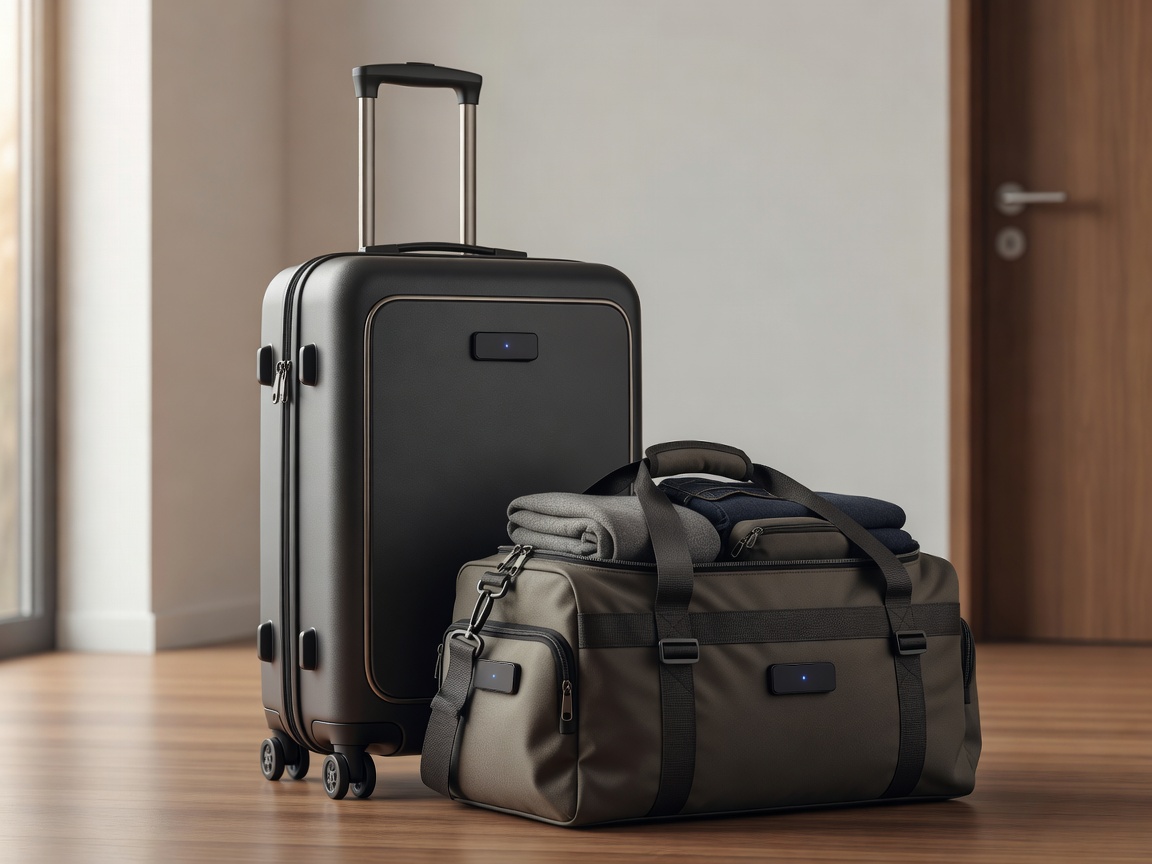
Travel luggage packed for a journey with tracking technology
Baggage hall

Baggage technology & smart luggage

RFID bag tags: several airlines use RFID-enabled tags and the industry body IATA promotes baggage tracking standards (Resolution 753) to record bags at key handover points.

Personal trackers: Apple AirTag, Samsung SmartTag and Tile devices help you see where a bag is. They support — but don't replace — an official baggage report.

Smart luggage: suitcases with built-in chargers or motors contain lithium batteries. Many airlines require the battery to be removable if the bag is checked; spare lithium batteries and power banks generally must travel in the cabin. Check your airline's dangerous goods policy.

Rewards & fast-track

Reward programs & airport fast-track services

An informational overview — not financial advice. Program terms change frequently.

TypeExamplesWhat it offersConsiderations
Airline loyalty & alliancesStar Alliance, oneworld, SkyTeam member programsMiles, status, lounge access and priority services across partner airlinesEarning rates vary by fare class; award availability is limited
Hotel loyaltyMarriott Bonvoy, Hilton Honors, World of Hyatt, IHG One RewardsPoints, member rates, late checkout at higher tiersBenefits differ by brand and property
Lounge membershipsPriority Pass, DragonPass, LoungeKeyIndependent lounge access across airlinesCapacity restrictions and card-issued variations
Airport fast-trackPaid security fast-track at many UK and European airportsShorter security queues for a feeNot available at every terminal; hours vary
Trusted traveler programsGlobal Entry, TSA PreCheck, NEXUSExpedited screening or border entryEligibility, background checks, interviews
Pre-departure systems check

Interactive travel tech checklist

Documents & identity

Connectivity & apps

Airport & baggage